✨ Some links below are Amazon affiliate links. This helps support our content.
In a recent team meeting, I found myself frustrated when a colleague’s response seemed to skirt the question I had asked about project deadlines. It was clear the answer wasn’t quite on target, but I struggled to point this out without sounding accusatory or derailing the flow. That moment sparked my interest in discovering professional, tactful ways to highlight when questions go unanswered—without creating tension.
Unlike generic communication tips, this collection focuses on real-world workplace scenarios, including remote and cross-cultural contexts, where clarity and diplomacy must coexist. Each phrase is crafted to promote understanding and maintain strong professional relationships.
Mastering these expressions not only sharpens your communication skills but also enhances your reputation as a thoughtful, effective collaborator—key traits for career advancement and leadership roles.
Effective Communication in Meetings and Collaborative Settings
This category addresses the challenges professionals face in live discussions, such as meetings or brainstorming sessions. It’s especially valuable for team leads, project managers, and those who facilitate or participate in group decision-making, helping them steer conversations toward clarity without alienating participants.
1.
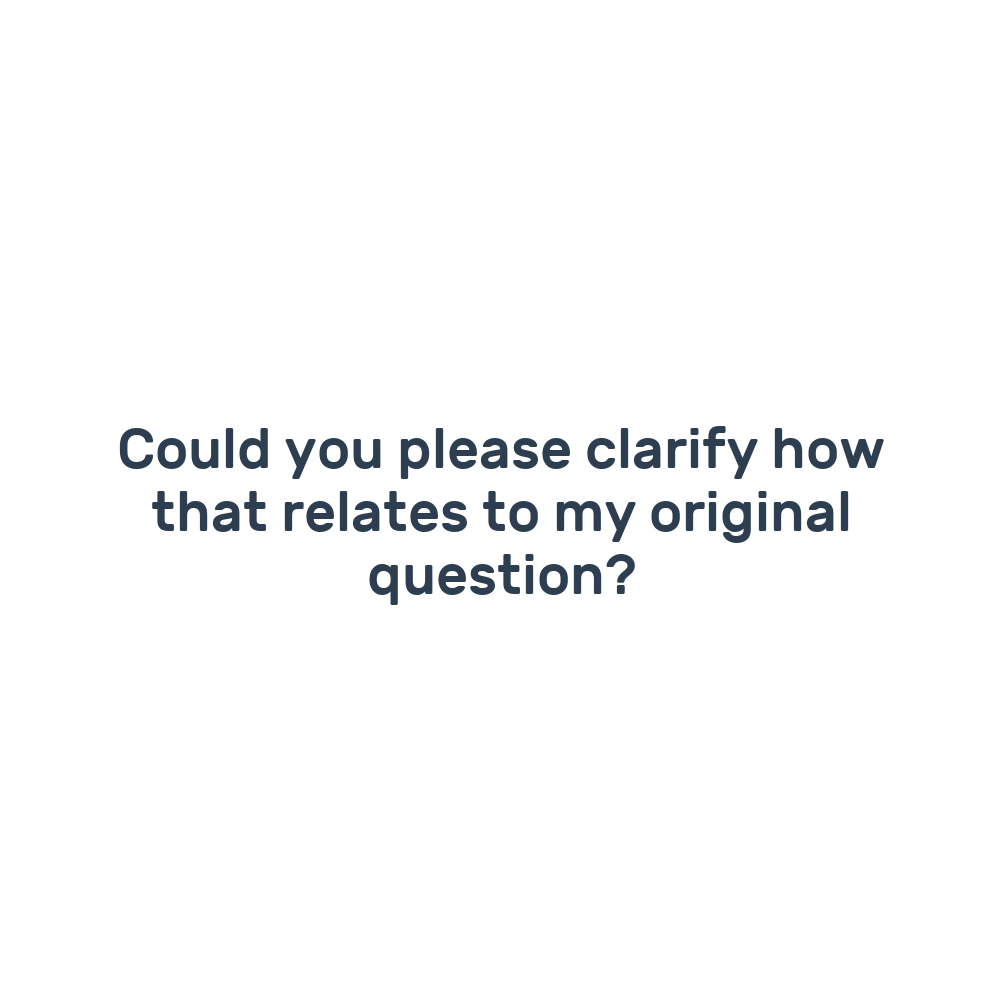
Could you please clarify how that relates to my original question?
– Use this phrase when a colleague provides an answer that seems off-topic or tangential. It gently signals that their response may have missed the mark without sounding accusatory. This works well in meetings where time is limited and you need to refocus the discussion. Avoid using it repeatedly with the same person, as it may come off as passive-aggressive.
2.
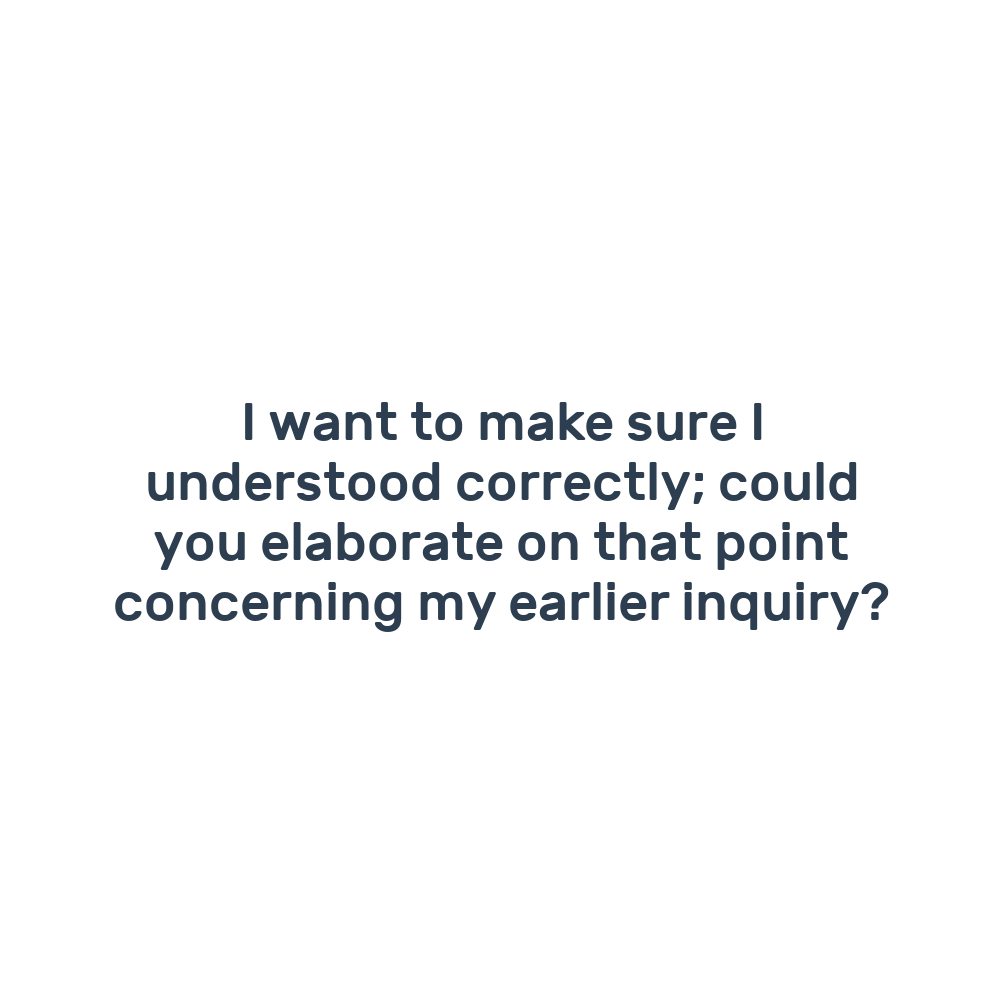
I want to make sure I understood correctly; could you elaborate on that point concerning my earlier inquiry?
– This phrase is particularly effective in remote or asynchronous communication, where tone and intent can be ambiguous. It invites further explanation in a constructive way, fostering mutual understanding across cultural or language barriers. Avoid using overly complex language that might confuse non-native speakers.
3.
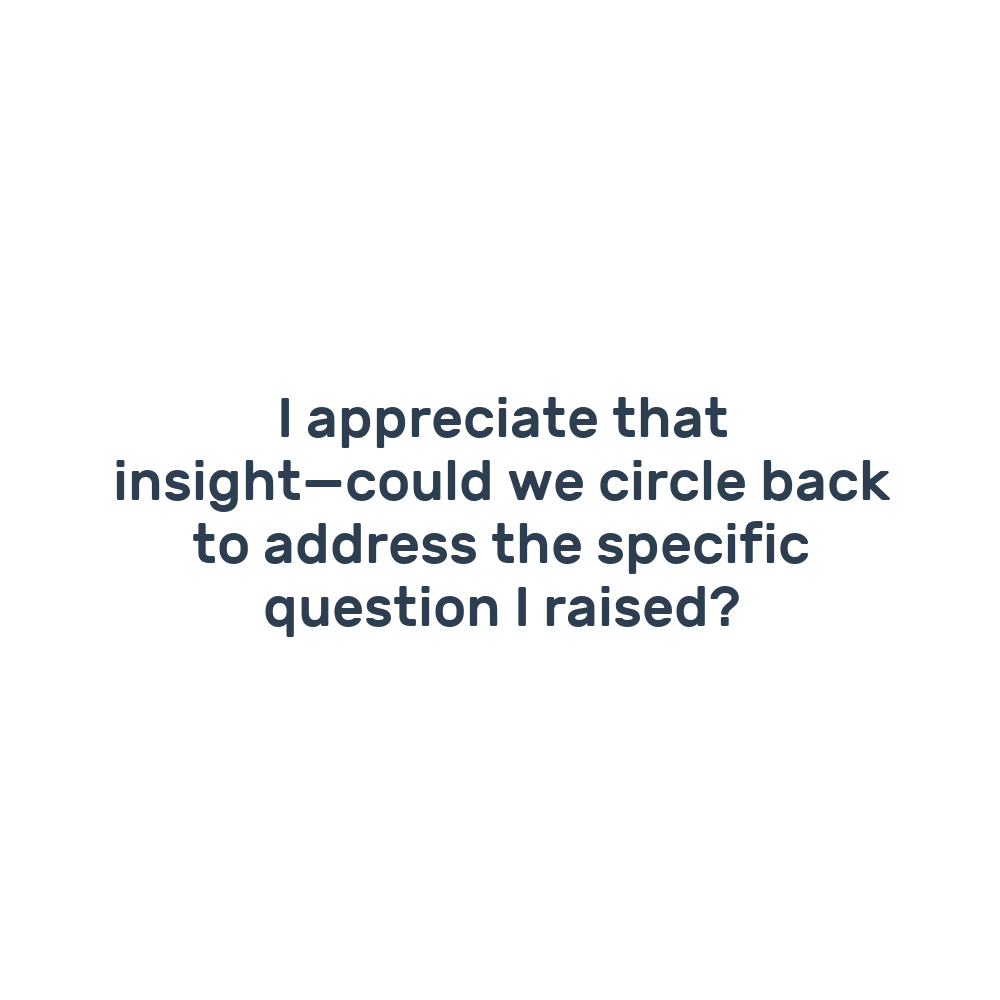
I appreciate that insight—could we circle back to address the specific question I raised?
– This expression balances acknowledgment with a polite nudge back to the original question. It preserves relationships by showing respect for the other person’s contribution while steering the conversation back on track. Use this when power dynamics require a softer approach, such as when speaking to senior colleagues.
4.
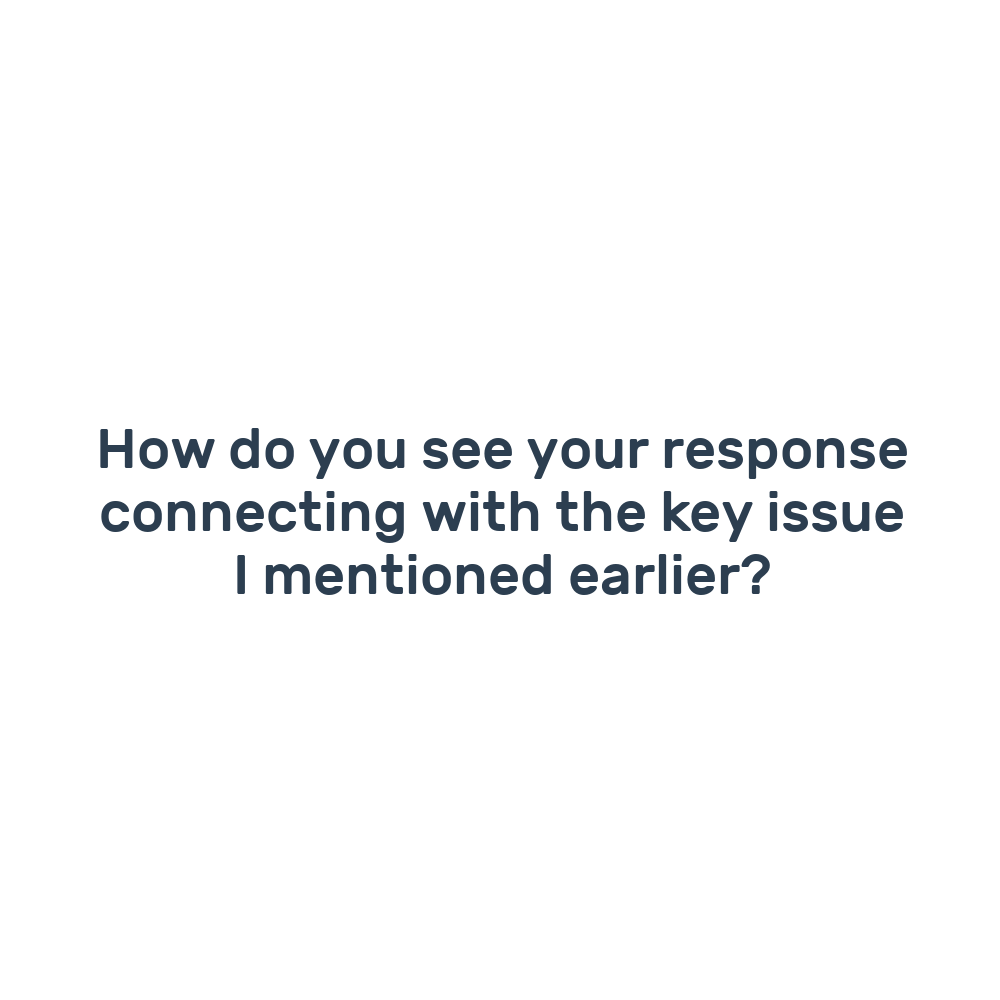
How do you see your response connecting with the key issue I mentioned earlier?
– This phrase encourages reflection and helps the other person consciously link their answer to your question. It’s useful for prompting deeper thinking about communication styles and aligning perspectives. Consider how your tone might affect openness when using this with sensitive team members.
5.
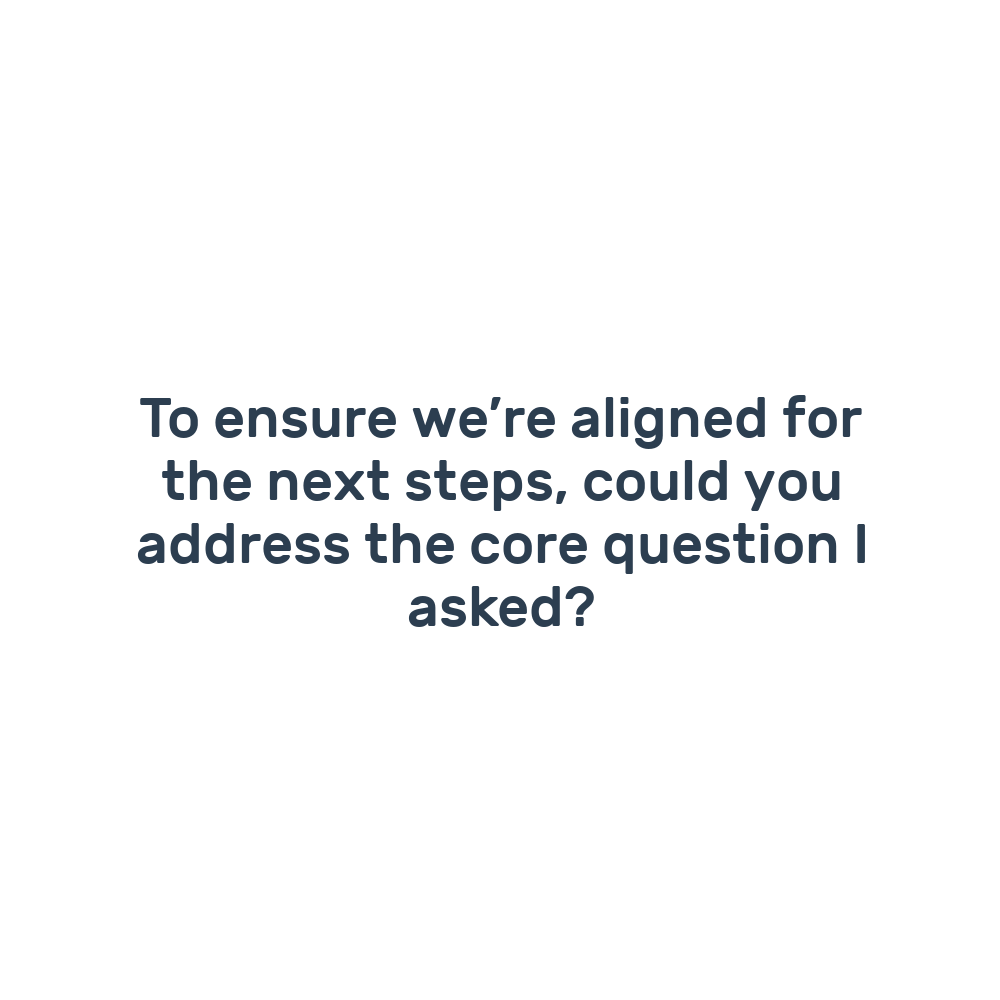
To ensure we’re aligned for the next steps, could you address the core question I asked?
– Ideal for steering conversations toward actionable outcomes, this phrase emphasizes alignment and practical progress. It supports leadership development by highlighting the importance of clear communication in project management or client discussions. Avoid sounding impatient; maintain a collaborative tone.
6.
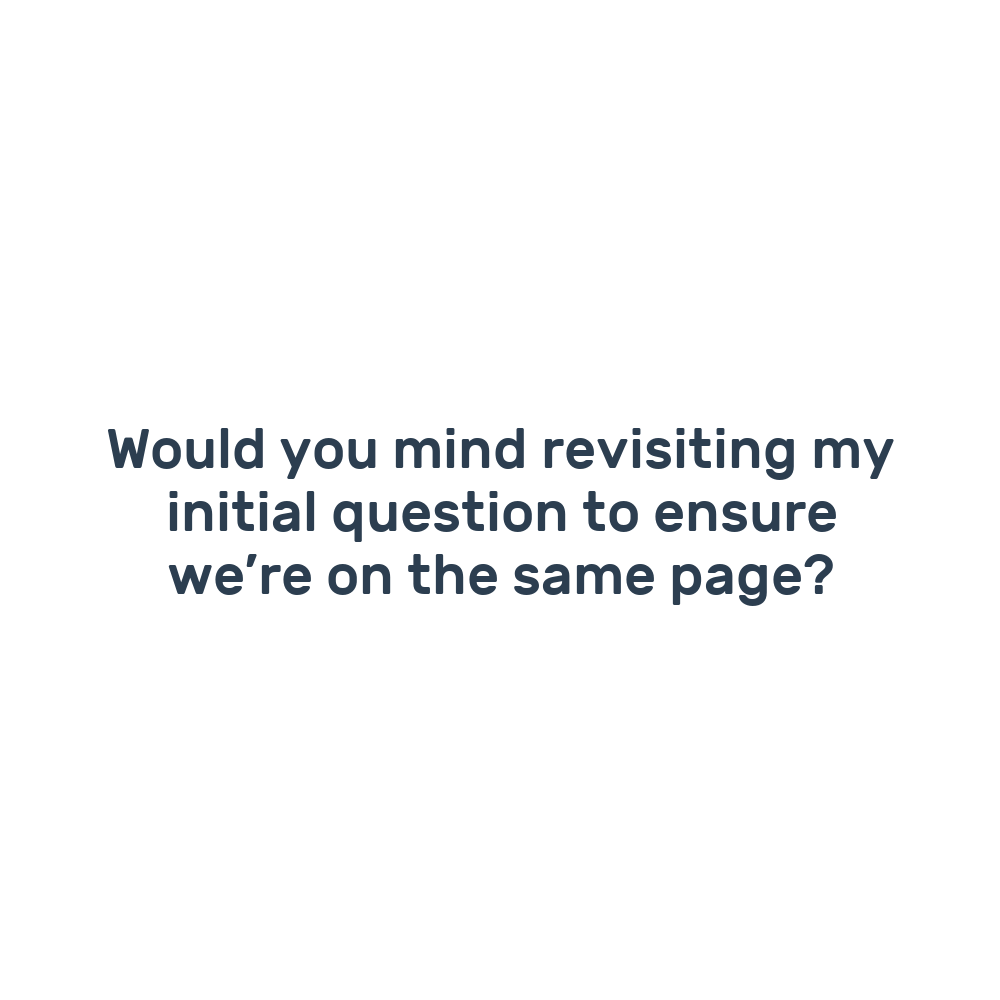
Would you mind revisiting my initial question to ensure we’re on the same page?
– Useful in virtual meetings where distractions may cause missed points, this phrase politely asks for refocusing. It supports inclusivity by inviting clarification and preventing misunderstandings. Avoid sounding condescending by pairing it with a warm tone or smile in video calls.
7.
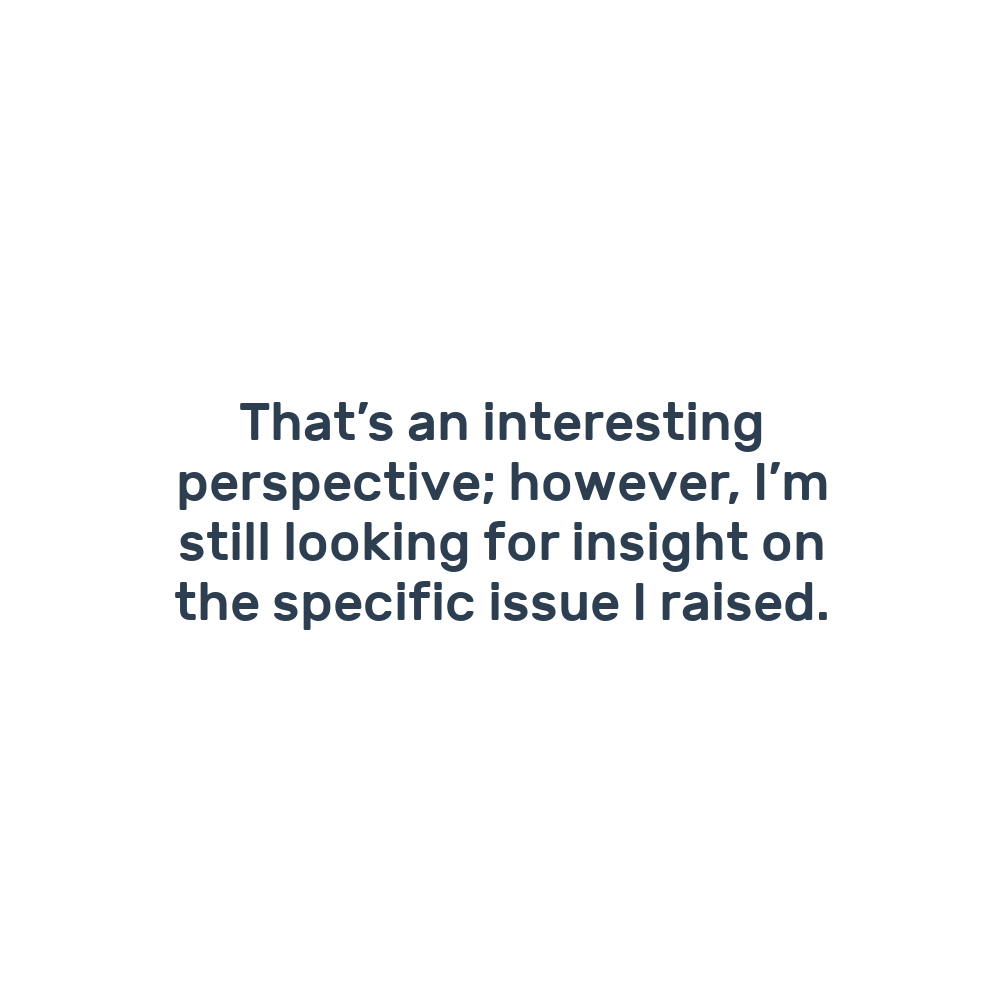
That’s an interesting perspective; however, I’m still looking for insight on the specific issue I raised.
– This phrase acknowledges contributions before gently pointing out the need to address the original question. It’s psychologically effective because it validates the speaker before steering the dialogue. Use it to maintain harmony when dealing with sensitive or defensive colleagues.
8.
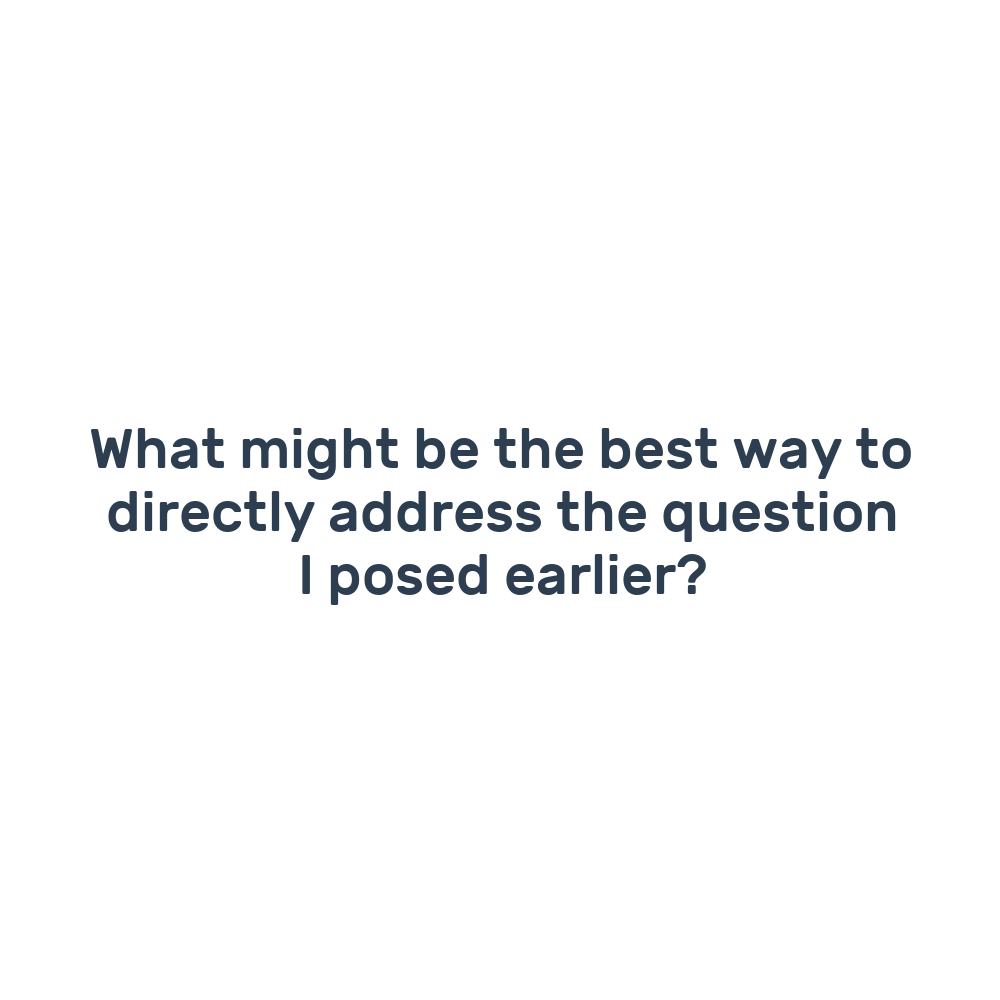
What might be the best way to directly address the question I posed earlier?
– This encourages collaborative problem-solving and invites the other person to consider how to improve communication. It’s a good prompt for teams seeking to refine their discussion culture. Reflect on whether your team values directness or prefers more indirect communication to tailor your approach.
9.
Clarifying this point will help demonstrate your expertise and strengthen our project outcomes.
– Framing the request in terms of career benefits motivates colleagues to respond clearly and thoughtfully. It’s a subtle way to encourage professional growth and leadership presence. Avoid implying criticism; instead, emphasize the positive impact on reputation.
10.
I’m eager to hear your thoughts specifically on the question I asked earlier.
– This phrase conveys enthusiasm and focus, encouraging a direct response without confrontation. It works well in one-on-one conversations or coaching scenarios. Be mindful of tone to avoid sounding demanding or impatient.
These initial phrases highlight the delicate balance between clarity and diplomacy, a crucial skill in collaborative environments. Mastering this ability helps professionals maintain productive dialogue and positions them as effective communicators—a key factor for career growth.
Clarifying Communication in Client and Cross-Cultural Interactions
This category focuses on scenarios involving clients, stakeholders, or culturally diverse teams where communication nuances are amplified. Professionals in sales, consulting, and global teams will find these phrases especially useful for building trust while ensuring clarity.
11.
How might we align your feedback more closely with the question I initially raised?
– This phrase invites collaboration and mutual adjustment, crucial in client or cross-cultural communications. It fosters an environment where both parties work toward shared understanding. Consider cultural communication norms to adapt your phrasing appropriately.
12.
Providing a direct response here will highlight your leadership in addressing client concerns.
– This connects clear communication to professional reputation and client confidence. It encourages colleagues to take ownership and demonstrate expertise. Avoid sounding like a reprimand; instead, frame it as an opportunity to shine.
13.
In virtual settings, could you clarify how your response addresses the question I posed?
– This phrase is tailored for remote work contexts where clarity can be lost in translation. It gently prompts for specificity without interrupting the flow. Utilize video or chat follow-ups to reinforce understanding.
14.
What communication approaches have you found most effective in ensuring questions are fully addressed?
– This thoughtful inquiry invites reflection and sharing of best practices, helping teams improve their dialogue. It positions you as a facilitator of continuous improvement. Use it in workshops or training sessions for maximum impact.
15.
To move forward confidently, could you address the specific aspect of my question?
– This phrase clearly links communication to project momentum and decision-making. It’s effective in leadership or client-facing roles where clarity drives outcomes. Avoid sounding like you’re rushing; maintain a steady, respectful tone.
16.
It would be helpful to revisit the original question to ensure mutual understanding.
– Helpful in cross-cultural and remote communications, this phrase encourages double-checking comprehension. It supports building trust and reducing miscommunication. Be sensitive to how directness is perceived in different cultures.
17.
That’s a valuable point; may we also focus on the key question I asked earlier?
– This balances appreciation with a gentle reminder, preserving positive rapport while redirecting focus. It’s psychologically effective for maintaining goodwill and authority. Use tone and body language to reinforce positivity.
18.
How do you think your answer connects with the goals we’re aiming to achieve?
– Encourages alignment of responses with broader objectives, promoting strategic thinking. It invites colleagues to consider the bigger picture and their role in achieving it. Reflect on whether your team values goal-oriented communication.
19.
Are there ways we can improve how we address questions to foster clearer communication?
– This prompts group reflection and ownership of communication habits. It’s useful in team retrospectives or when building a culture of openness. Foster a safe environment for honest feedback.
20.
Demonstrating clarity in your responses will enhance your leadership presence and credibility.
– Highlights the direct benefits of precise communication for career advancement. It motivates professionals to refine their messaging as part of personal branding. Avoid making it sound like a critique; focus on opportunity.
As communication demands grow increasingly complex, these phrases exemplify a shift toward strategic clarity and cultural sensitivity. Elevating your communication style in this way not only resolves misunderstandings but also prepares you for higher professional responsibilities.
Advanced Communication for Leadership and Conflict Resolution
This category targets senior professionals, managers, and leaders who must navigate complex interpersonal dynamics and conflicts while maintaining clarity and authority. It offers tools for balancing assertiveness with empathy in challenging conversations.
21.
To ensure we’re aligned, can we revisit how your response addresses the specific concern I raised?
– Ideal for leadership roles, this phrase combines assertiveness with inclusivity, promoting alignment without confrontation. It’s especially useful when mediating conflicts or clarifying expectations. Maintain calm and steady delivery to reinforce authority.
22.
I value your input; however, addressing my original question directly will help us move forward effectively.
– This phrase preserves respect while clearly signaling the need for focus. Its psychological effectiveness lies in validating contributions before redirecting dialogue. Use it to de-escalate tension and foster cooperation.
23.
How do you perceive your response impacting our team’s shared objectives?
– Encourages reflection on the broader implications of communication, supporting accountability and strategic thinking. It’s a useful tool in performance discussions or coaching. Be prepared to follow up with specific examples.
24.
Clear and direct responses are key qualities of effective leadership that inspire trust.
– Connects communication style directly to leadership development and team confidence. It motivates professionals to model clarity as a leadership standard. Use this when mentoring emerging leaders.
25.
Could you help me understand your perspective in relation to the question I initially asked?
– This phrase invites explanation and openness, fostering psychological safety and collaboration. It’s valuable during conflict resolution or sensitive discussions. Avoid an accusatory tone to keep dialogue constructive.
26.
I appreciate your viewpoint; focusing on the original question will help clarify our next steps.
– This phrase validates input while steering focus, preserving relationships during complex negotiations. Its power lies in combining appreciation with gentle guidance. Use it to maintain professionalism in high-pressure situations.
27.
What communication habits could we adopt to ensure questions are consistently addressed?
– Encourages collective ownership and ongoing improvement in team communication. It’s effective during team-building or after-action reviews. Promote an open atmosphere for honest dialogue.
28.
Responding directly and clearly enhances your professional reputation as a dependable leader.
– Links communication effectiveness to tangible career benefits and leadership perception. It incentivizes individuals to develop strong communication habits. Avoid pressuring; frame as an opportunity rather than obligation.
29.
In remote work settings, how can we better ensure that questions are fully answered?
– Addresses challenges unique to virtual teams, such as reduced non-verbal cues and asynchronous responses. It promotes proactive communication strategies. Suggest practical tools like follow-up emails or summary notes.
30.
Could you please revisit my question to provide a more focused response?
– Straightforward and polite, this phrase is useful when subtle hints have failed. It’s best used sparingly to avoid sounding confrontational. Pair with a friendly tone or smile to maintain rapport.
Building a Culture of Clear and Respectful Workplace Communication
This category is aimed at organizational leaders, HR professionals, and communication trainers focused on cultivating environments where clear, respectful exchanges are standard. It emphasizes long-term cultural change through consistent communication practices.
31.
How can we collectively foster a culture where questions are addressed thoroughly and respectfully?
– Promotes group reflection on communication norms and encourages shared responsibility for clarity. It’s ideal for workshops or leadership retreats. Facilitate open dialogue and capture actionable ideas.
32.
Establishing clear communication practices strengthens our organization’s reputation and employee engagement.
– Links communication culture to organizational success and individual job satisfaction. It motivates leaders to model and support best practices. Avoid abstract language; provide concrete examples and benefits.
33.
What strategies have you found effective in ensuring questions are not overlooked in virtual teams?
– Invites sharing of practical solutions tailored to remote or hybrid work environments. Encourages innovation and adaptability in communication. Use this in team check-ins or cross-departmental meetings.
34.
How does our communication style impact trust and collaboration within the team?
– Encourages deep reflection on the psychological effects of communication habits. Supports ongoing development of empathetic leadership and teamwork. Facilitate follow-up discussions to implement insights.
35.
Consistently addressing questions directly helps build your professional brand as a reliable communicator.
– Reinforces the personal career benefits of clear communication, inspiring individual accountability. Use this in performance reviews or coaching conversations. Encourage setting personal communication goals.
36.
In what ways can we adapt our communication to better suit diverse cultural expectations around directness?
– Highlights the importance of cultural sensitivity in professional dialogue, especially for global teams. Encourages ongoing learning and adaptation. Incorporate this into diversity and inclusion training.
37.
Acknowledging when questions aren’t fully answered preserves relationships and fosters mutual respect.
– Emphasizes the psychological safety that comes from recognizing communication gaps without blame. Supports a positive workplace climate. Use empathetic language and active listening to reinforce this.
38.
How might your communication style influence others’ willingness to engage and respond openly?
– Invites self-awareness and personal development in communication habits. Useful for leadership coaching or peer feedback sessions. Encourage journaling or reflective exercises.
39.
Enhancing your clarity in responses can position you as a trusted advisor within your organization.
– Connects communication skill development to strategic influence and career growth. Encourages proactive skill-building. Share success stories to inspire learners.
40.
Reflecting on my own experience, I’ve learned that mastering these phrases transformed how I navigate challenging conversations and advance professionally.
– This personal reflection ties back to the opening story, illustrating the practical impact of these skills. It encourages readers to take ownership of their communication journey and envision their growth.
A Final Professional Note
Next time you feel a question has gone unanswered, choose one of these phrases to gently guide the conversation back on track. Practicing this skill will boost your confidence, clarify discussions, and enhance your professional presence. Embrace this opportunity to grow as a communicator and watch your career flourish.
💖 Confidence-Boosting Wellness Kit
Feel amazing for every special moment
Top-rated supplements for glowing skin, thicker hair, and vibrant energy. Perfect for looking & feeling your best.
#1
✨ Hair & Skin Gummies
Biotin + Collagen for noticeable results
Sweet strawberry gummies for thicker hair & glowing skin before special occasions.
Check Best Price →
Energy Boost
⚡ Vitality Capsules
Ashwagandha & Rhodiola Complex
Natural stress support & energy for dates, parties, and long conversations.
Check Best Price →
Glow Skin
🌟 Skin Elixir Powder
Hyaluronic Acid + Vitamin C
Mix into morning smoothies for plump, hydrated, photo-ready skin.
Check Best Price →
Better Sleep
🌙 Deep Sleep Formula
Melatonin + Magnesium
Wake up refreshed with brighter eyes & less puffiness.
Check Best Price →
Complete
💝 Daily Wellness Pack
All-in-One Vitamin Packets
Morning & evening packets for simplified self-care with maximum results.
Check Best Price →
⭐ Reader Favorite
"These made me feel so much more confident before my anniversary trip!" — Sarah, 32
As an Amazon Associate I earn from qualifying purchases. These are products our community loves. Always consult a healthcare professional before starting any new supplement regimen.